Understanding the Selling Process: A Guide for Homeowners
- Megan Watson
- Sep 30, 2025
- 4 min read
Updated: Oct 6, 2025
Selling your home can feel like a daunting task. Whether you are moving for a new job, downsizing, or simply looking for a change, understanding the selling process is crucial. This guide will walk you through each step, making the journey smoother and more manageable.
The selling process involves several key stages. From preparing your home for sale to closing the deal, each step requires careful consideration. This guide will provide you with practical tips and insights to help you navigate the selling process with confidence.
Preparing Your Home for Sale
The first step in selling your home is preparation. A well-prepared home can attract more buyers and potentially lead to a higher sale price. Here are some essential tips to get your home ready:
Declutter and Clean: Start by removing personal items and excess clutter. A clean, organized space allows potential buyers to envision themselves living in your home. Consider hiring a professional cleaning service for a deep clean.
Make Repairs: Address any minor repairs that could deter buyers. Fix leaky faucets, patch holes in walls, and replace broken tiles. These small fixes can make a big difference in how your home is perceived.
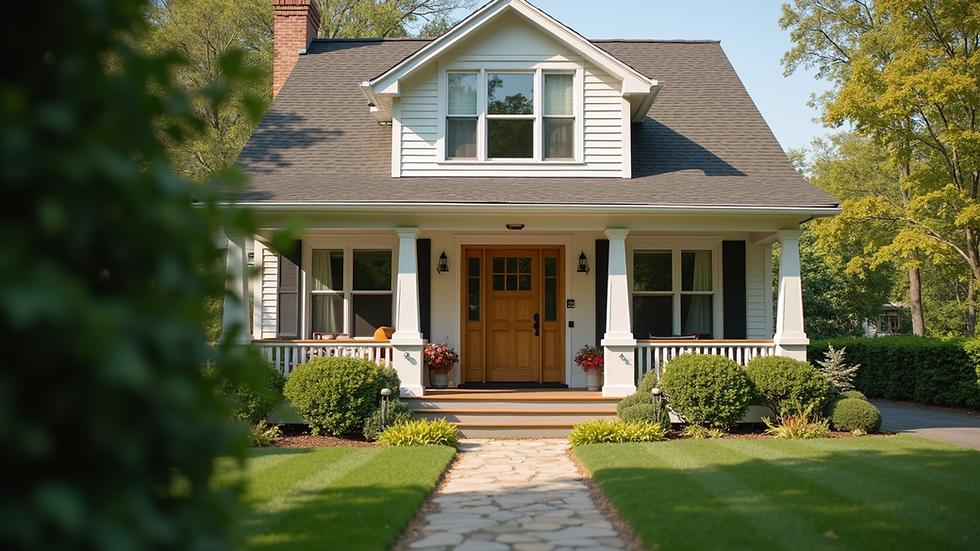
Enhance Curb Appeal: First impressions matter. Invest time in landscaping, painting the front door, and cleaning windows. A well-maintained exterior invites buyers to explore further.
Stage Your Home: Staging can help showcase your home’s best features. Rearrange furniture to create a welcoming flow and consider adding fresh flowers or neutral decor to enhance the ambiance.
Set the Right Price: Research comparable homes in your area to determine a competitive price. Overpricing can lead to your home sitting on the market longer, while underpricing may result in a loss.
Choosing the Right Real Estate Agent
Once your home is ready, the next step is to find a real estate agent. A good agent can make a significant difference in your selling experience. Here are some tips for choosing the right one:
Research Local Agents: Look for agents who specialize in your neighborhood. They will have a better understanding of the local market and can provide valuable insights.
Check Reviews and References: Read online reviews and ask for references from past clients. A reputable agent will have a track record of successful sales.
Interview Multiple Agents: Don’t settle for the first agent you meet. Interview several candidates to find someone you feel comfortable with and who understands your needs.
Discuss Marketing Strategies: Ask potential agents about their marketing plans. A strong marketing strategy can help your home stand out in a competitive market.
Marketing Your Home
Once you have chosen an agent, it’s time to market your home. Effective marketing can attract more potential buyers. Here are some strategies to consider:
Professional Photography: High-quality photos can make your listing more appealing. Consider hiring a professional photographer to capture your home in the best light.
Online Listings: Ensure your home is listed on popular real estate websites. Your agent should also promote your listing on social media platforms to reach a wider audience.
Open Houses: Hosting an open house can generate interest. Make sure your home is clean and inviting during these events.
Virtual Tours: In today’s digital age, virtual tours can provide an immersive experience for potential buyers. This can be especially helpful for out-of-town buyers.
Navigating Offers and Negotiations
Once your home is on the market, you may start receiving offers. This stage can be exciting but also overwhelming. Here’s how to navigate offers and negotiations:
Review Each Offer Carefully: Look beyond the price. Consider contingencies, closing dates, and the buyer’s financial qualifications.
Counteroffers: If an offer is lower than expected, don’t hesitate to make a counteroffer. Your agent can help you determine a fair response.
Stay Flexible: Be open to negotiations. Sometimes, small concessions can lead to a successful sale.
Trust Your Agent: Your real estate agent is there to guide you through this process. Trust their expertise and advice.
Closing the Sale
Once you have accepted an offer, the closing process begins. This stage involves several important steps:
Home Inspection: The buyer will likely request a home inspection. Be prepared for this and address any issues that may arise.
Appraisal: The lender will require an appraisal to ensure the home’s value aligns with the sale price. Be ready to provide access to the appraiser.
Final Walkthrough: The buyer will conduct a final walkthrough before closing. Ensure your home is in the agreed-upon condition.
Closing Documents: You will need to review and sign various documents at closing. Make sure you understand each document before signing.
Transfer of Ownership: Once all documents are signed and funds are transferred, ownership of the home will officially change hands.
Moving On
After closing, it’s time to move on to your next adventure. Here are some tips for a smooth transition:
Plan Your Move: Create a moving checklist to stay organized. Consider hiring professional movers to ease the process.
Change Your Address: Don’t forget to update your address with the post office, banks, and other important institutions.
Reflect on Your Experience: Take a moment to reflect on the selling process. What went well? What could have been improved? This reflection can help you in future transactions.
Final Thoughts
Selling your home is a significant life event. By understanding the selling process and preparing accordingly, you can navigate this journey with confidence. Remember to take your time, seek professional help when needed, and stay informed throughout the process.
With the right preparation and support, you can turn the selling of your home into a positive experience. Embrace the change and look forward to the new opportunities that await you.